

Introduction
It’s the age-old question – Residential School vs Homestay – how do you choose? Summer programmes for children have gained significant popularity in recent years, providing enriching experiences that foster personal growth and academic development. Among the various options available, residential schools and homestay programmes stand out due to their unique offerings and engaging environments. These programmes are designed to cater to diverse interests and learning styles, allowing children to explore new subjects, engage with peers, and develop skills that will benefit them in their future endeavours.
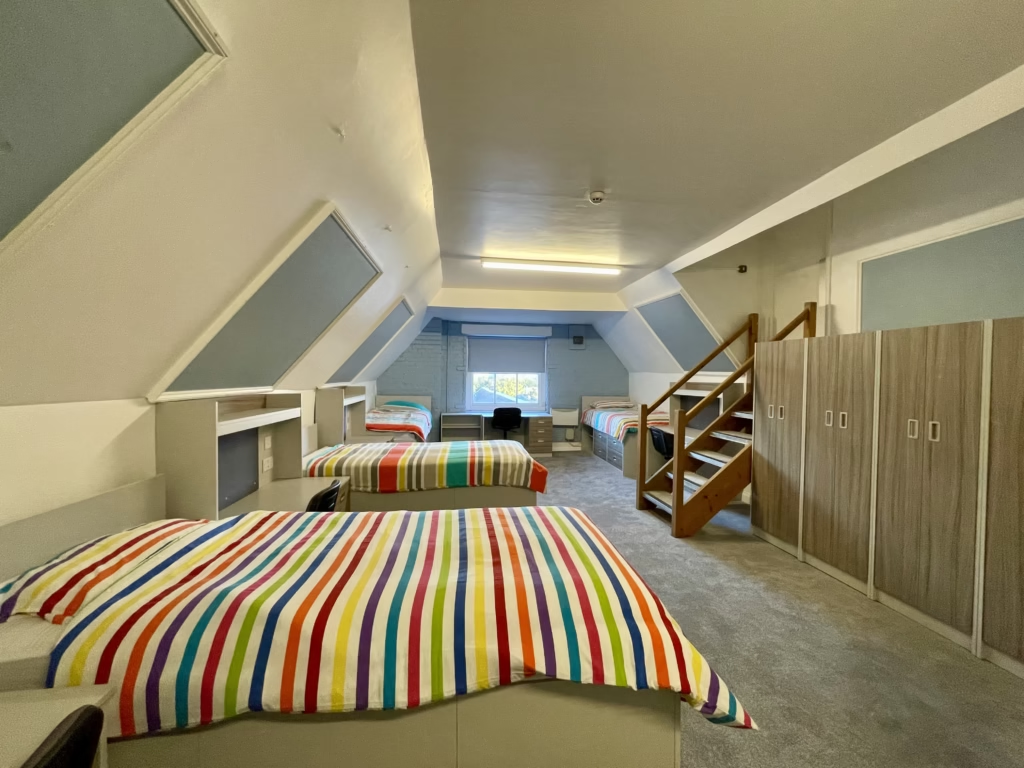
Residential schools typically involve a structured programme where children stay on campus for the duration of the summer. In this immersive environment, students are guided by experienced educators and engage in a multitude of activities, including sports, arts, sciences, and more. This arrangement not only enhances learning but also nurtures independence and social skills as children interact with their peers and live away from home for a specific period.
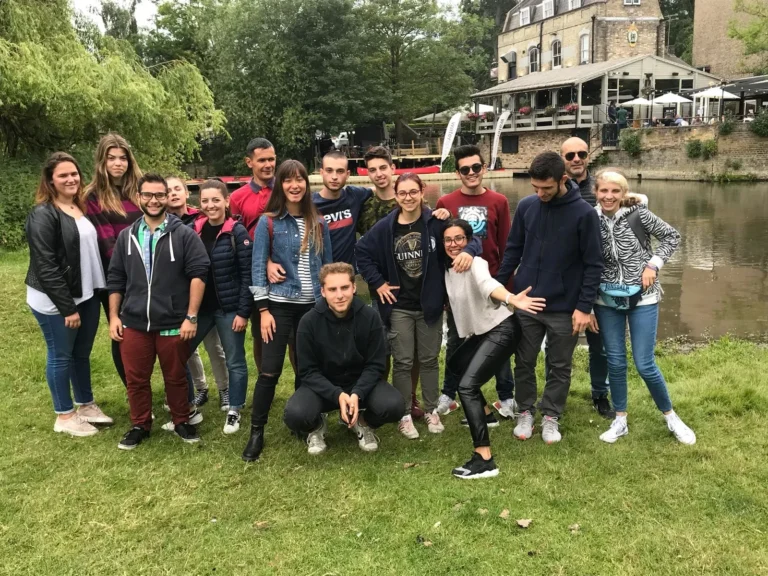
On the other hand, homestay programmes offer a different kind of experience. In a homestay, children reside with a host family, which often leads to a more personalized learning environment. This type of arrangement fosters cultural exchange, language acquisition, and interpersonal relationships. By living with a local family, children can gain insights into new cultural practices and traditions while practising language skills in a natural setting.
As parents consider the best options for their children’s summer experiences, it is essential to weigh the benefits and challenges of residential schools and homestays. Each programme has its unique merits, and the decision ultimately depends on the individual child’s needs, preferences, and goals. By understanding these two popular choices, parents can make informed decisions that align with their children’s aspirations for personal and educational growth during the summer months.
Understanding Residential Schools
Residential schools provide a structured environment where students live and learn together away from their homes. Designed to cater to various age groups, these institutions typically accommodate children aged 6 to 18. The duration of stay can vary from a few weeks to several months, depending on the program.
At residential schools, the curriculum encompasses both academic and extracurricular activities. Students participate in a wide range of subjects, including mathematics, science, and the arts, with practical, hands-on projects integrated. Moreover, many residential schools offer specialised programs aimed at promoting skills such as leadership, teamwork, and independence. This blend of academic rigour and personal development is a hallmark of the residential school experience.
In addition to the standard educational framework, these schools typically emphasise community building. By living together, students develop strong social bonds and learn to navigate complex interpersonal dynamics. The residential setting creates a unique opportunity for immersive learning experiences that extend beyond the classroom. Activities such as sports, teamwork challenges, and community service projects help foster a sense of belonging and camaraderie among students.
The benefits of attending a residential school are manifold. Participants often experience accelerated personal growth, enhanced social skills, and increased confidence. Additionally, the structured environment of a residential program encourages discipline and responsibility, equipping students with essential life skills. By engaging with a diverse group of peers, students are also exposed to different perspectives and cultures, enriching their understanding of the world.
Exploring Homestay Programmes
Homestay programmes have gained popularity as a unique alternative for children’s summer education, focusing on enriching experiences through cultural exchange. These programmes place children with local host families, allowing them to experience the local culture, language, and lifestyle, thereby enhancing their overall learning.
Typically, a homestay arrangement involves a child living with a host family for a specified period, often coinciding with educational workshops or outdoor activities. The families usually provide meals, accommodation, and a structured environment that fosters both learning and social interaction. This intimate setting allows children to immerse themselves deeply in the host culture, enabling them to learn language nuances and social customs organically.
The benefits of homestays extend beyond mere accommodation; they provide a nurturing atmosphere where personalised attention is readily available. Host families often tailor experiences to meet their guests’ specific interests and educational needs. For instance, children may participate in community activities or local events, promoting interaction with peers and locals alike. This involvement not only enhances their social skills but also fosters a sense of belonging and adaptability.
Cultural immersion through homestays has been shown to significantly boost children’s confidence and interpersonal skills. Interacting daily with host families helps children develop better communication skills, as they are encouraged to express themselves in a new language and context. Moreover, homestays foster a deeper understanding of cultural diversity, teaching children to appreciate differences and embrace new perspectives.
In conclusion, homestay programmes provide a holistic educational experience where children can learn in an engaging and supportive environment, enabling them to grow personally and intellectually while enjoying the rich tapestry of a different culture.
Key Differences Between Residential Schools and Homestays
When choosing the ideal summer programme for a child, parents must consider the distinctive attributes of both residential schools and homestays. Each option offers a unique environment with distinct social dynamics, educational priorities, and living arrangements.
Residential schools typically offer a structured setting where students live on campus. These institutions are designed to provide an immersive educational experience, emphasising academics alongside extracurricular activities. The rigorous curriculum is often complemented by a variety of programs intended to enhance learning, including workshops, sports, and arts. In contrast, homestays enable children to experience life within a local family, encouraging cultural exchange and language acquisition. In this less formal environment, children may have more flexibility in their daily activities, often participating in family-oriented events and local excursions.
Social dynamics further differentiate the two options. In residential schools, children often build friendships with peers from diverse backgrounds and locales within a confined setting. This can foster camaraderie but may lead to competition. On the other hand, homestays promote integration into the local community, allowing children to form relationships not only with their host family but also with local peers. Such interactions can enhance social skills and cultural understanding.
Educational focus is another significant distinction. Residential schools are primarily education-centric, with structured classes and scheduled learning. Homestays, while still educational, may prioritise experiential learning through daily activities and local engagement, allowing for lessons that extend beyond the classroom.
Finally, living arrangements differ notably. At a residential school, children share dormitories and communal spaces, establishing bonds with fellow students. Conversely, in a homestay, children have a dedicated family environment, fostering a sense of belonging and comfort.
Factors to Consider When Choosing a Programme
Choosing the right summer programme for your child can be a complex decision, influenced by various personal and practical factors. First and foremost, consider your child’s personality. Some children flourish in social settings, while others may prefer quieter, more individual experiences. Understanding whether your child is more extroverted or introverted can guide you toward selecting between a residential school programme or a homestay arrangement.
Equally important is your child’s specific interests. For instance, if your child is passionate about sports, a programme that emphasizes athletic training might be ideal, regardless of the setting. Conversely, if your child is more academically inclined, a residential school may offer specialized classes or workshops tailored to their needs. Evaluating your child’s academic goals can help narrow down choices significantly.
Social skills are another critical factor. Does your child easily make friends, or do they require more time to adapt to new social environments? If building social connections is a priority, a residential school might provide more opportunities for interactions. On the other hand, homestays can offer a more intimate atmosphere that may be appealing to children who require a gentler introduction to new friends.
Logistics also play a pivotal role in decision-making. Consider the location of the programme and its accessibility. Evaluating the cost is essential; ensure the programme fits within your budget while still meeting your child’s needs. Finally, consider the duration of the programme. A shorter commitment might be suitable for first-time participants, whereas older children may be ready for a more extended stay.
In summary, evaluating your child’s personality, interests, academic objectives, social skills, and logistical details will significantly aid in selecting the most appropriate summer programme. Each factor helps in identifying what is best suited for your child’s growth and enjoyment during the summer months.
Pros and Cons of Residential Schools
Residential schools offer a unique environment that can foster independence and personal growth in students. One of the key advantages of attending such schools is the opportunity for young learners to develop self-reliance. Living away from home, children learn to manage their own schedules, complete tasks without parental supervision, and navigate social dynamics with peers. This level of independence can significantly boost their confidence and prepare them for future challenges.
Another benefit of residential schools is the structured learning environment they provide. These institutions often adhere to a rigorous academic curriculum, complemented by extracurricular activities that promote holistic development. Students can engage in various programs, from sports to arts, under the guidance of experienced educators. Such structure can lead to improved academic performance, as students often benefit from dedicated study time and a focused learning atmosphere.
However, residential schools are not without their drawbacks. One notable disadvantage is the potential for homesickness, especially among younger students. Being away from family and familiar surroundings can lead to emotional challenges, particularly at the beginning of the term. Additionally, the commitment required from both students and families can be high, as enrollment often involves a significant financial investment and emotional commitment. The rigid schedule might not suit all children, particularly those who thrive in less structured environments.
Ultimately, while residential schools provide exceptional opportunities for growth and academic success, it is essential for parents to weigh these advantages against the potential emotional and financial implications this choice may carry. Understanding the unique needs and temperament of the child can guide families in making the right decision.
Pros and Cons of Homestay Programmes
Homestay programmes offer unique advantages and disadvantages that merit careful consideration when selecting a summer program for your child. One prominent benefit is the cultural exposure that homestays provide. Participants often reside with local families, allowing them to immerse themselves in the host culture, language, and customs. This direct interaction fosters a deeper understanding of cultural nuances that classroom learning alone may not achieve. Additionally, children may form lasting friendships, gaining insights into diverse ways of life that can broaden their perspectives.
Moreover, flexibility is a hallmark of homestay programmes. Unlike traditional residential schools, which may adhere to a more rigid schedule, homestays often allow for tailored experiences that can adapt to a child’s individual interests and learning pace. This personalized approach not only enhances engagement but also nurtures self-directed learning, empowering children to explore topics that ignite their curiosity. The absence of excessive structure can encourage children to develop essential life skills, such as independence and adaptability.
However, there are potential drawbacks to consider. The less structured learning environment may lead to gaps in academic progress, as some children thrive in more organized settings. Additionally, the quality of homestay experiences can vary significantly depending on host families. If mismatches in expectations occur, children may face challenges in acclimating to their new living conditions. Safety and comfort also become paramount, as parents must research thoroughly to ensure that the homestay is suitable and secure.
Consequently, evaluating these pros and cons allows parents to make informed decisions regarding the most fitting summer programme for their children, balancing cultural enrichment with personal comfort and educational needs.
Real-Life Experiences and Testimonials
When it comes to choosing between a residential school and a homestay programme for summer, firsthand experiences can provide invaluable insights. Many parents and children have shared their stories, highlighting the distinct benefits and challenges associated with each type of summer programme.
For instance, Jane, a parent from Toronto, enrolled her daughter in a residential school last summer. She reported that her child returned with a newfound sense of independence and confidence. “She learned to live away from home and made friendships that I hope will last a lifetime. The structured environment really helped her grow academically as well,” Jane shared. This is a common sentiment among parents who appreciate the academic rigor and social engagement a residential school provides, along with professional supervision and structured activities.
Conversely, there are also testimonials from families who opted for the homestay approach. David, a father from Vancouver, recounted his son’s experience in a homestay programme. “It was incredible to see him immersed in a different culture, learning a new language, and adapting to a local family’s way of life. His experience was as much about personal growth as it was about education,” he noted. These sentiments reflect how homestays can offer cultural immersion and personalized experiences that are often less available in a traditional educational setting.
Both types of programmes offer unique advantages; testimonials suggest that immersion and community versus structure and education are significant considerations. By hearing from those who have lived through the options available, families can better navigate their choices. These anecdotes illustrate how either programme can yield positive outcomes depending on a child’s personality, needs, and educational goals, providing a well-rounded perspective for parents contemplating their options.
Conclusion and Recommendations
Choosing between a residential school and a homestay summer programme for your child is a significant decision that requires careful consideration of various factors. The differences in environment, structure, and learning opportunities can greatly impact your child’s experience. A residential school typically offers a more structured environment, with set schedules and activities, which can be particularly beneficial for children who thrive in organization and routine. On the other hand, a homestay programme provides a unique opportunity for cultural immersion and personal growth, allowing children to develop independence and adaptability in a more relaxed setting.
As parents, it is essential to assess your child’s specific needs, interests, and personality traits before making a final decision. Consider whether your child prefers a focus on academic excellence, social interaction, or cultural experiences. For some children, the controlled environment of a residential school may be preferable, while others may benefit from the flexibility and personal attention offered by a homestay. Engaging your child in the decision-making process can also enhance their enthusiasm for the programme they ultimately choose.
In conclusion, both summer programmes have unique advantages that cater to different children’s experiences and skills. Thoroughly evaluating all aspects, such as the programme’s curriculum, the child’s learning style, and long-term goals, will provide clarity in making the right choice. Ultimately, your child’s well-being and happiness should guide your decision, ensuring a transformative and enjoyable summer experience that aligns with their aspirations for growth and learning.